





Does it matter in what order skin products are applied?

The order definitely matters, and we explain why. Applying your skincare products in the correct order ensures that your skin receives the full benefits of each product.

The order of application is incredibly important. It is the skin's job to keep substances out, but many of the skincare products we use contain ingredients that we actually want to get into the skin. Only a small amount of these important ingredients can penetrate the skin, even if they are perfectly formulated and applied perfectly. If you do not apply the products in the correct order, you will not see the best results from your skincare regimen.

What is the correct order of my skincare products? 12

apply skin products in the correct order

A simple rule of thumb is to apply your products with the thinnest consistency to the thickest layer, or from liquid to oil. In general, think thin to thick! You also want to use products first with the ingredients that are most important for penetrating the skin (such as antioxidants in serums) and finish with products that need to sit on top of the skin, such as emollients and humectants in moisturizers.

The morning skincare routine

The morning routine revolves around sun protection and protection against pollution, so leave your peel and skin products containing, for example, retinol for the evening.

Step 1: Cleanse the skin with a cleanser

Start the morning by wetting your face with lukewarm water and a gentle facial cleanser designed for your skin type.

Step 2: the toner

Most people choose to skip toners, partly because it is still assumed that most toners are harsh and irritate the skin. Fortunately, that is no longer the case. Although they do not physically “shrink” pores, the new type of toner can serve multiple purposes, such as delivering antioxidants, vitamin B, and even toning acids. Moreover, each type of toner is intended for a different skin problem, so it is important to use the right type of toner for your specific skin concerns.

However, if you have never used a toner and your skin looks healthy, then it is not necessary to use one. Toners are designed to help restore the skin's pH balance after using old-fashioned soap. Facial cleansers are now so much better balanced that toners are not strictly necessary anymore. Alcohol-based toners contribute to skin becoming too dry by stripping away protective oils, and water-based toners are a poor way to get active ingredients into the skin.

Step 3: the (eye) serum

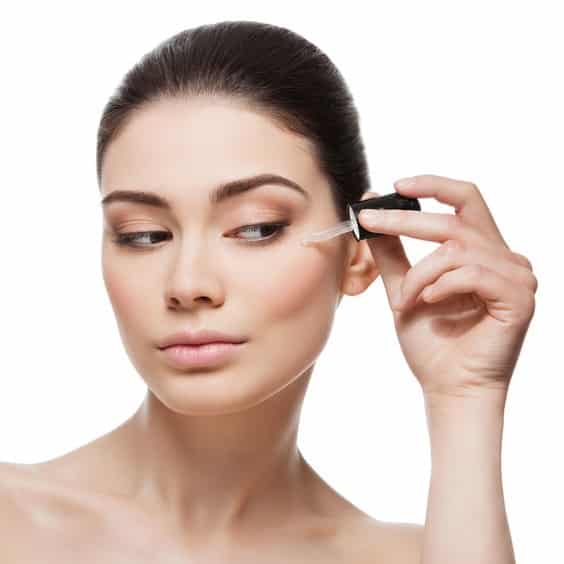
Serums are super-concentrated, nutrient-rich products that address specific problems. It is therefore best to use them immediately after cleansing. There are various serums on the market today, but for daytime use, we recommend an antioxidant serum. This offers a number of benefits – from dulling your skin's inflammatory response to removing and protecting against damage from UV rays and environmental pollutants.

Step 4: Eye cream

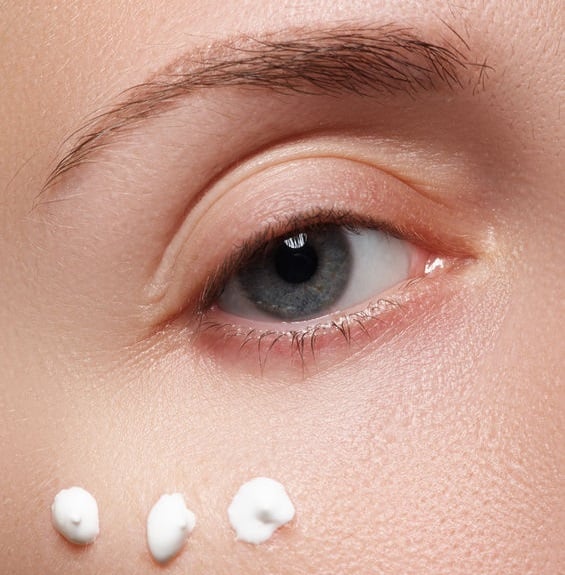
It is essential to apply an eye cream every day, if not twice a day, starting from around the age of 20. This is about maintaining the health and thickness of the skin around the eyes. By improving the quality of the skin in this area at an early stage, it prevents the skin around the eyes from easily losing sagging and suppleness later on.

For the best results, it is important to apply an eye cream to your skin daily. Regular use of an eye cream will, over time, keep the skin around the eyes elastic, improve the skin of the eyelids, and prevent premature fine lines or collagen loss. You can further protect the delicate skin around your eyes by choosing an eye cream with SPF or by applying sunscreen every day. Wearing sunglasses when outdoors also offers protection against UV light damage. This prevents unnecessary lines that can appear around the corners of the eyes caused by prolonged squinting.

Step 5: hydrating day cream

Everyone needs a moisturizing day cream, even if you have oily skin. Even though your body has its own natural system consisting of glands that secrete oil (or sebum) to maintain a protective layer against harsh external conditions and infections, most people still need extra hydration after the ravages the sun, weather, and harsh chemicals from the street have inflicted on our skin.

Most experts recommend applying a hydrating cream during the day while the skin is still damp. This means that the sooner you proceed with applying your serum, the sooner you will be able to lock in much-needed hydration with your moisturizer.

Step 6: sunscreen

Sunscreen should be the last step in your daily skincare routine if you use a physical or mineral sunscreen, which works by physically blocking UV rays. This step becomes tricky if you use a chemical sunscreen.

Chemical sunscreens need to be absorbed into the skin to be effective, so applying them after your moisturizer will slow down and hinder that. To be effective, chemical sunscreens must be absorbed into the skin, so applying them after your moisturizer will slow down and hinder that. But if you apply your chemical sunscreen before your cream, your cream won't work as well either, because the skin is covered with a chemical sunscreen.

Therefore, to prevent this and for many other reasons, we recommend a sunscreen with zinc and applying it after your moisturizing cream. Zinc is safe, effective, and offers the broadest protection against UVA and UVB rays.

As for those who like to use chemical sunscreens? Choose a sunscreen that also offers hydrating benefits, so that you provide your skin with daily hydration.

The evening skincare routine

Since your skin naturally repairs itself at night, your nighttime routine should focus on giving your skin what it needs. If your skin looks dull, you should exfoliate. If it is irritated, hydrate and protect it. Here is the best order of skincare products to ensure you get the most out of them:

Step 1: Cleanser (double)

To remove the day's dirt, grime, oil, and makeup, we recommend first removing your makeup with a dedicated makeup remover before washing your face with a mild cleanser. Even better is to double cleanse, using a cleansing oil first to dissolve your makeup and then washing your face again with your normal cleanser.

The first step, therefore, is removing your makeup. This is the step where you usually use a cleansing oil. The second step is using a facial cleanser to remove all the excess sebum, dirt, and makeup that you loosened in the first step. This leaves your skin fresh and perfectly prepared to absorb the products that follow.

If you use a peel, such as a facial scrub, use it instead of your cleanser after removing your makeup.

Step 2: Toner

If you use a toner, apply it as you would in the morning.

Before going to sleep, it is also very good to apply various types of skincare boosters, such as serum or serums for around the eyes, in layers. These are infused with various active ingredients with the aim of hydrating and nourishing the skin.

Since these are light, almost watery formulas, apply them after washing your face just as you would use a toner. If you use both, apply the toner first. The toner is primarily for cleansing. When using multiple serums, the same rules apply: from thinnest to thickest serum.

Step 3: Eye cream

In addition to tackling crow's feet and dark circles, eye creams can also serve to protect your sensitive eye area from your other skincare products.

In general, you would want to apply your eye cream before other products to protect your eye area from powerful ingredients that could potentially cause irritation.

Step 4: Serums and pads with extra strong ingredients

Just like the rest of the body, the skin performs the majority of its repair and regeneration while we sleep. That is why you use targeted skincare treatments in the evening, such as retinol serums, exfoliating products (peel pads and masks), and anti-aging serums infused with peptides, growth factors, and other biologically active ingredients. Instead of layering all your treatment serums and creams, we recommend choosing your evening serums based on your skin's needs at the moment.

Too many steps increase the risk of irritation and reduce the chance of the desired result. Choose your evening treatment based on what your skin needs that night, not on what you have in your bathroom cabinet.

Step 5: hydrating mask

If your skin is on the dry side, you can add a hydrating cream mask or face oil. Both product types are generally mild and can usually be used as often as your skin needs an extra boost of hydration.

Detoxifying/Clay Masks: For most people, once a week is enough.

Step 6: hydrating night cream with extra nutrients

Some people use the same moisturizer during the day and at night. However, night creams are generally thicker and heavier and are designed to be absorbed over the course of a few hours while you sleep.

Creams, particularly the heavier ones used at night, create a protective coating on the skin to prevent water evaporation while you sleep. Maintaining a high moisture level in the skin is key to healing and maintaining healthy skin. If you use the right moisturizing night cream, that is the final step, as nothing else can penetrate it.

Tips

At night, after washing your face and applying the serum and/or evening skincare product, you are ready to go to bed. Keep your night cream on your nightstand and apply it just before sleeping. The usually expensive, specialized products will then have had just a little more time to penetrate the skin properly before the skin is sealed with the night cream.

One more piece of advice? Listen to your skin. Don't forget that you are unique and that no one else has the same skin. Whatever experts say, it is important to find what works for you and always be kind to your skin.

Don'ts

  • Do not combine prescribed medications (for acne or rosacea) or exfoliating products (such as AHA/BHA pads, peels, or detoxifying masks). If you use both on the same evening, you significantly increase your risk of skin irritation.
  • Also, do not combine retinol creams with exfoliating products.

15% discount on your 1st order

Choose your interest:

Valid on orders from €100 and Not valid on current discounts.