

What is Glycation?
Glycation is also known as Maillard reaction or saccharification of the body and skin. Glycation is a process in which excess sugars in the body bind to proteins such as collagen, leading to the formation of harmful compounds called Advanced Glycation End Products (AGEs). This weakens collagen and elastin, which causes accelerated skin aging, wrinkles, reduced elasticity and a dull complexion.
Glycation also contributes to cell damage and inflammation in the body. To prevent this, it is important to limit sugar intake, consume antioxidants, avoid UV radiation and maintain a healthy lifestyle.
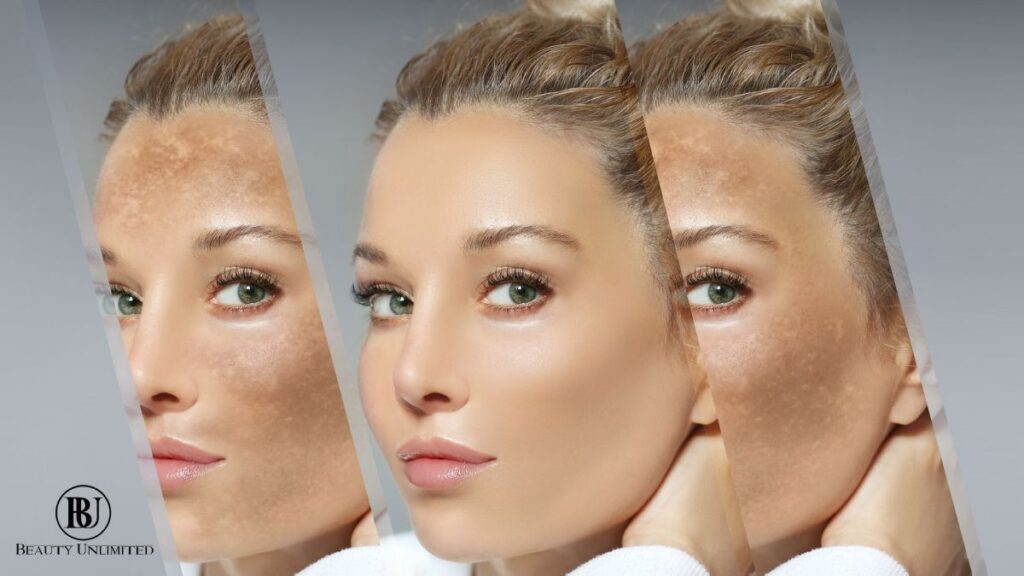
Effects of glycation on the skin:
Breakdown of collagen and elastin: AGEs damage collagen and elastin, the proteins that keep the skin firm and elastic. This leads to loss of firmness and wrinkle formation.
Reduced skin elasticity: Glycation makes these proteins stiff and inflexible, resulting in less elastic skin.
Increased oxidative stress: AGEs stimulate the production of free radicals, which leads to damage to skin cells and acceleration of the aging process.
Uneven skin tone: Glycation can cause pigmentation problems, such as dull skin and uneven skin tone.
Slow wound healing: Damaged collagen causes wounds on the skin to heal more slowly.
How to protect your skin against glycation:
Now that we know how harmful saccharification is for your skin, you naturally want to avoid this at all times. Fortunately, you can do a lot yourself to keep your skin “glycation-free”.
Limit sugar intake
- Avoid processed and sugary foods to reduce excess sugar in your body.
- Choose a diet rich in fiber, healthy fats and proteins.
Eat antioxidants
- Antioxidants neutralize free radicals and reduce the damage of AGEs.
- Good sources: berries, green tea, citrus fruits, broccoli, nuts and dark chocolate.
Use antioxidant skin care
- Look for products with ingredients such as vitamin C, carnosine, niacinamide and specific peptides.
- These help protect the skin from free radical damage.
- View our ready-made Ultimate Glycation Defense Kit.
Protect against UV radiation
- UV radiation accelerates the glycation process.
- Use sunscreen with broad protection (SPF 30 or higher) every day.
Quit smoking
- Smoking increases oxidative stress and contributes to glycation, which ages the skin faster.
Keep your blood sugar level stable
- Eat regularly and choose foods with a low glycemic index (e.g. whole grains, vegetables and legumes).
Supplements
- Consider supplements such as carnosine (a dipeptide that inhibits glycation) or alpha-lipoic acid to slow the process.
Hydration
- Make sure your skin stays well hydrated, both from the inside (drinking enough water) and from the outside (moisturizers).
By combining a healthy lifestyle with effective skin care practices, you can significantly reduce the effects of glycation and maintain a healthy, youthful appearance.
Glycation and the body
Glycation affects not only the skin, but also the entire body. The process can contribute to chronic diseases and aging. Here's what glycation does to the body and how you can protect yourself
Effects of Glycation on the Body:
Damage to tissues and organs: AGEs accumulate in various tissues, such as blood vessels, muscles and organs, leading to loss of functionality and structural damage.
Increased risk of cardiovascular disease: AGEs make blood vessels less flexible and contribute to inflammation and atherosclerosis, which increases the risk of high blood pressure, heart attacks and stroke.
Kidney damage: Glycation plays an important role in kidney problems, especially in people with diabetes. AGEs can reduce kidney function.
Eyes and vision: AGEs can damage the lens and retina, leading to cataracts and diabetic retinopathy.
Nerve damage (neuropathy): Glycation affects the nerves, which can lead to tingling, pain or numbness, especially in people with diabetes.
Impaired bone health: AGEs weaken bones by damaging the collagen in bones, which increases the risk of fractures.
Accelerated aging process: AGEs cause oxidative stress and inflammation, which contributes to overall accelerated physical and mental aging.
How can you reduce glycation in the body?
1. Adjust nutrition:
- Avoid fast sugars:
Limit intake of sugary and processed foods, such as soda, candy, baked goods and white flour products. - Choose a low-glycemic diet:
Eat foods that slowly raise blood sugar levels, such as whole grains, vegetables, legumes and lean proteins. - Limit AGEs in food:
Avoid eating foods cooked at high temperatures, such as fried, grilled, or baked foods. Low temperature cooking, such as steaming or boiling, reduces the formation of AGEs in food.
2. Eating Antioxidants:
- Rich sources of antioxidants help fight free radicals and reduce glycation. Think green tea, berries, spinach, nuts, and spices like turmeric.
3. Regulate blood sugar:
- Eating regularly: Avoid peaks and valleys in your blood sugar level by eating smaller meals regularly.
- Move: Regular exercise increases insulin sensitivity and helps use sugar efficiently.
4. Avoid Harmful Habits:
- Stop smoking: Smoking increases oxidative stress and AGEs in the body.
- Alcohol in moderation: Excessive alcohol consumption can increase AGEs and disrupt sugar metabolism.
5. Add supplements to your healthy lifestyle
- Carnosine: A natural peptide that inhibits the formation of AGEs.
- Alpha lipoic acid: A powerful antioxidant that reduces oxidative stress and can stabilize blood sugar.
- Vitamin B6 and B1: These vitamins help reduce glycation and protect cells.
6. Healthy Lifestyle:
- Movement: Regular exercise not only helps control blood sugar but also detoxifies the body from AGEs.
- Stress management: Chronic stress increases blood sugar and oxidative stress, which can accelerate glycation. Practices such as yoga, meditation and breathing exercises are helpful.
7. Regular medical check-ups:
- If you have diabetes or other risk factors, check your blood sugar and inflammatory markers regularly.