

Prevent or repair sagging skin after losing weight
Sagging skin after weight loss is a common problem that many people face after significant weight loss: loose, sagging skin. This can be a challenge, but it is important to address it for a healthy and confident appearance.
Many people struggle with this problem, especially after a drastic diet or intense workout. The skin cannot always keep up with the rapid weight loss, causing folds and excess skin to form. This can have a negative impact on self-confidence and overall satisfaction with appearance. Fortunately, there are several ways to tackle sagging skin after weight loss.
In this article we discuss several tips that can help you tighten and firm your skin, so that you feel more confident and comfortable in your own skin after your weight loss.
What do we discuss in this article to prevent sagging skin?
- Hydration is essential for healthy and radiant skin after weight loss
- Nutrients play an important role in maintaining elastic skin
- Exercise can help tighten the skin after weight loss
- Supplements and massage techniques are effective methods against sagging skin
Why does sagging skin develop after losing weight?
After significant weight loss, the skin may struggle to bounce back to its original shape. This is because during weight loss the skin produces less collagen and elastin – the substances responsible for firmness and elasticity. How quickly you lose weight, how much weight you lose, and factors such as age and skin care all play a role.
Hydration: The key to healthy and radiant skin
Good hydration is essential for maintaining the elasticity and firmness of the skin. When your skin gets enough moisture, it can move better with the changes in your body and stay tighter. Drinking more water can hydrate your skin from within. Try to drink at least 1.5 to 2 liters of water every day. This can sometimes be a challenge, but you can also add other moisture-rich foods to your diet, such as fruits, vegetables and soups.
In addition, it is important to hydrate your skin from the outside with a good moisturizer or lotion. Choose products that are specially formulated to improve skin elasticity and avoid products that dry out your skin. By moisturizing your skin both inside and out, you can significantly improve its tightness and firmness.
Nutritional advice: Nutrients for elastic skin
In addition to hydration, certain nutrients also play an important role in maintaining firm skin. Vitamins, minerals and antioxidants contribute to the health and elasticity of the skin.
For example, vitamin C is essential for the production of collagen, an important protein that supports the structure and firmness of the skin. Vitamin E and zinc also help maintain healthy skin. In addition, omega-3 fatty acids, such as those found in oily fish, are beneficial for skin elasticity.
By absorbing these nutrients through your daily diet, you can strengthen and improve your skin from within. Good sources include citrus fruits, nuts, legumes, oily fish and green leafy vegetables. Also consider supplements if you have trouble getting enough of these nutrients.
The best supplements for sagging skin
| Supplement | Advantages |
|---|---|
| Collagen | Strengthens the skin structure and promotes elasticity; prevents sagging by supporting collagen production. |
| Vitamin C | Essential for collagen formation and antioxidant protection; helps prevent skin sagging by protecting skin cells. |
| Omega-3 fatty acids | Promotes hydration and cell protection; reduces inflammation and helps keep the skin structure firm. |
| Hyaluronic acid | Supports moisture retention, which promotes plumper and firmer skin; reduces visible sagging skin. |
| Astaxanthin | Powerful antioxidant that protects against oxidative damage and UV radiation; preserves collagen and elasticity, prevents sagging. |
Below is a selection of the best supplements for sagging skin
-
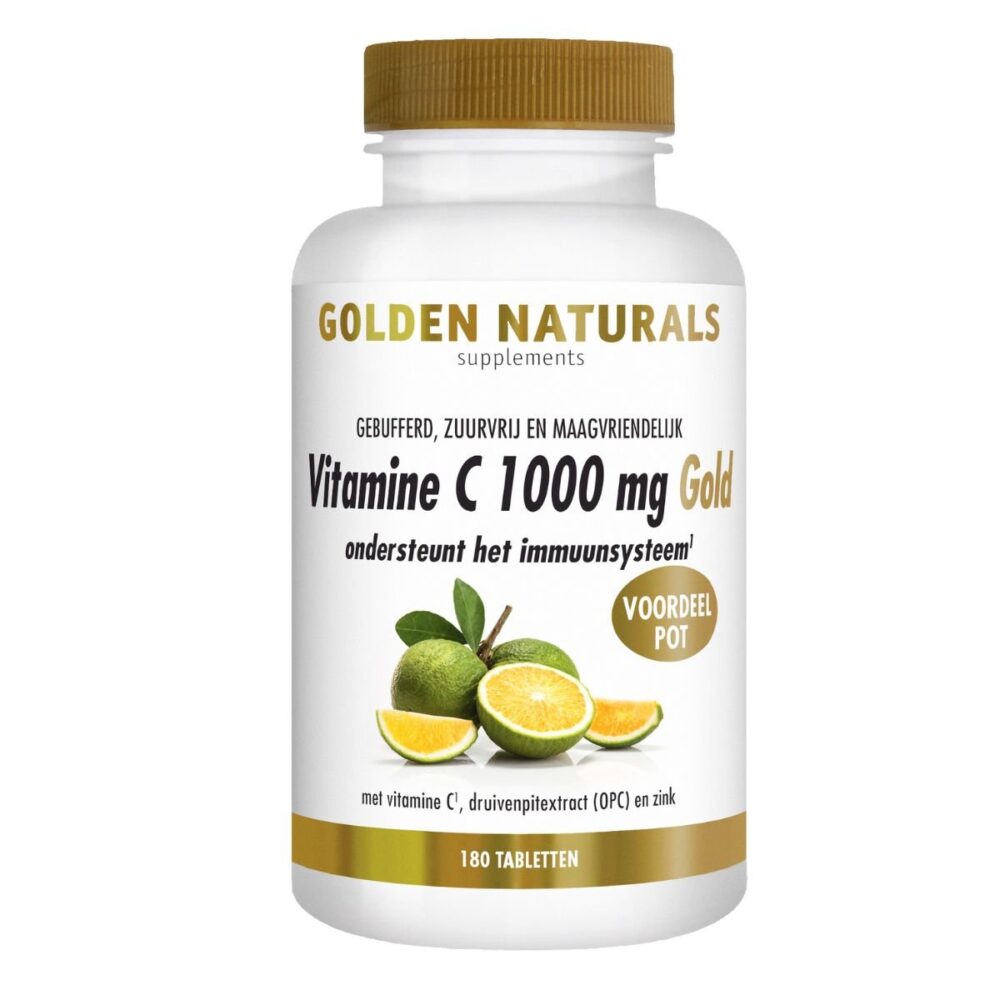
Golden Naturals Vitamin C 1000 mg Gold
€49.95 Order now -
Sale 14%
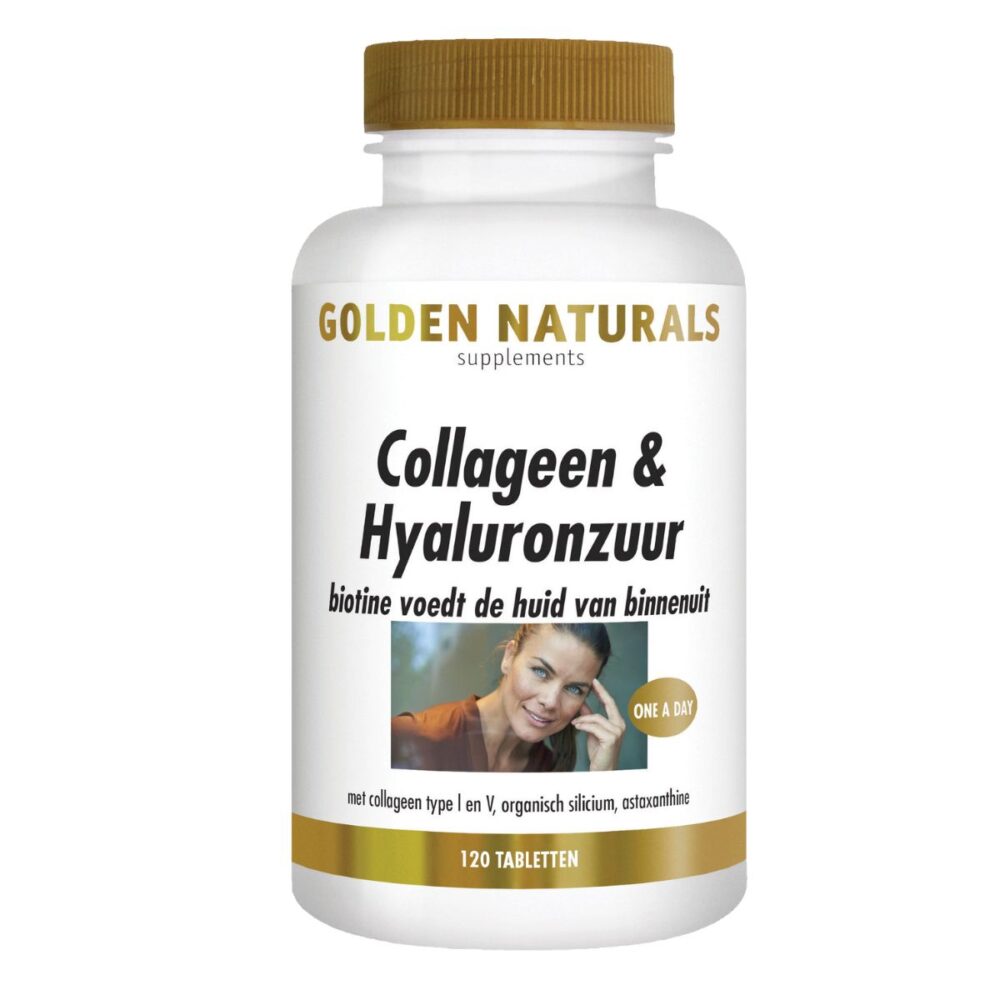
Golden Naturals Collagen & Hyaluronic Acid
€59.95€51.56 Order now -
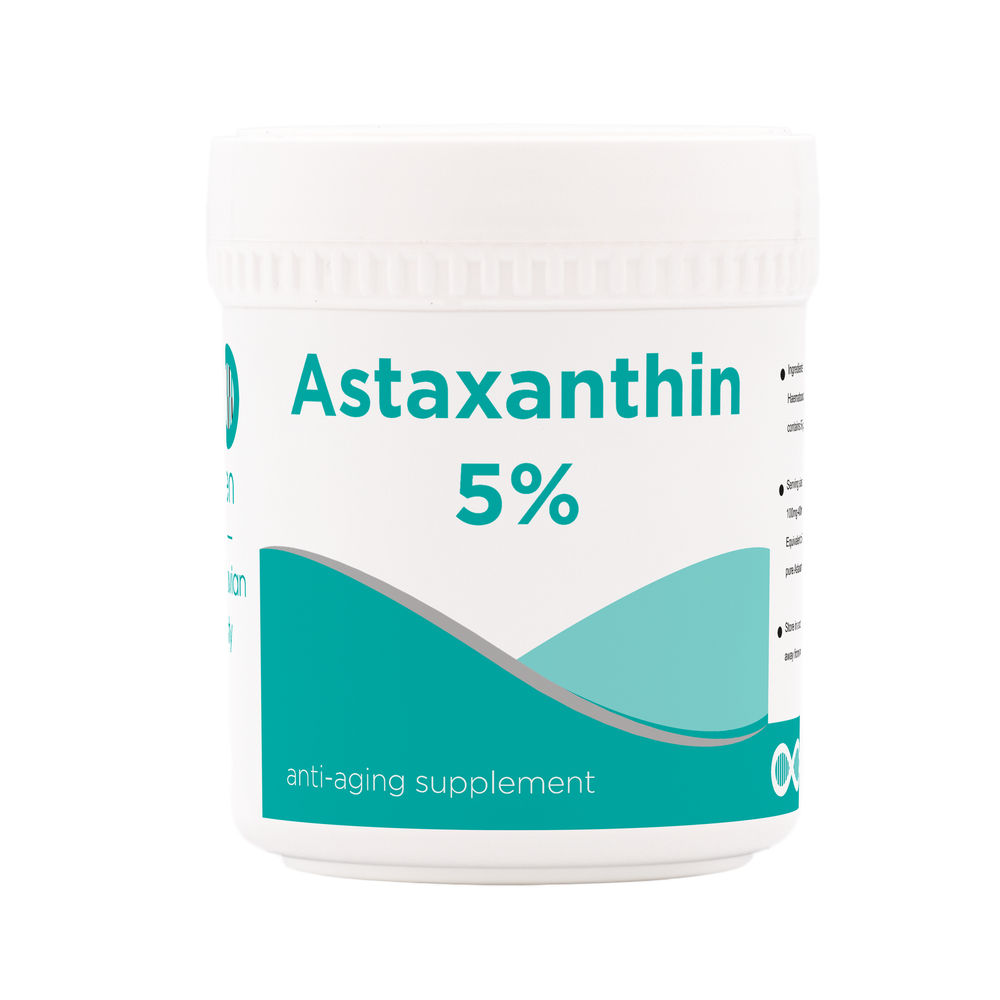
Astaxanthin Supplement
€63.00 Order now -
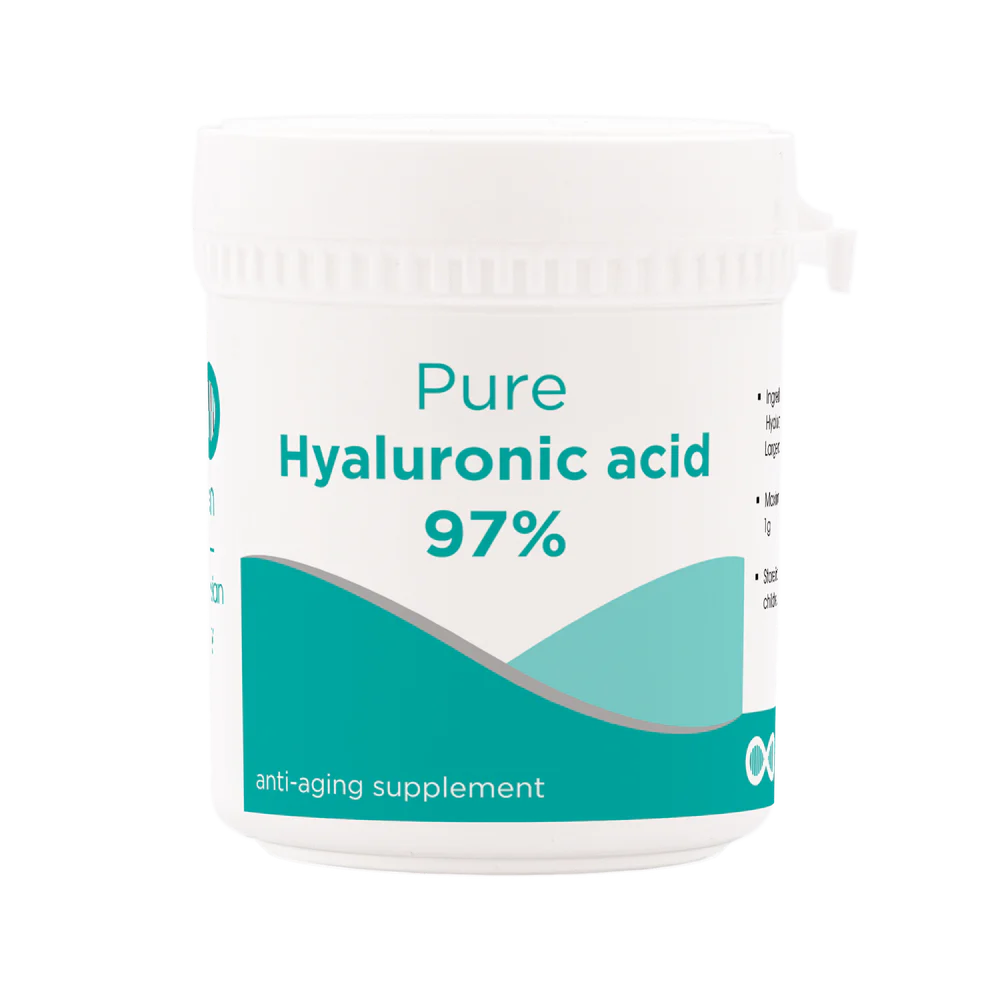
Hyaluronic acid supplement
€20.00 – €30.00Price range: €20.00 through €30.00 Order now This product has multiple variants. The options may be chosen on the product page -
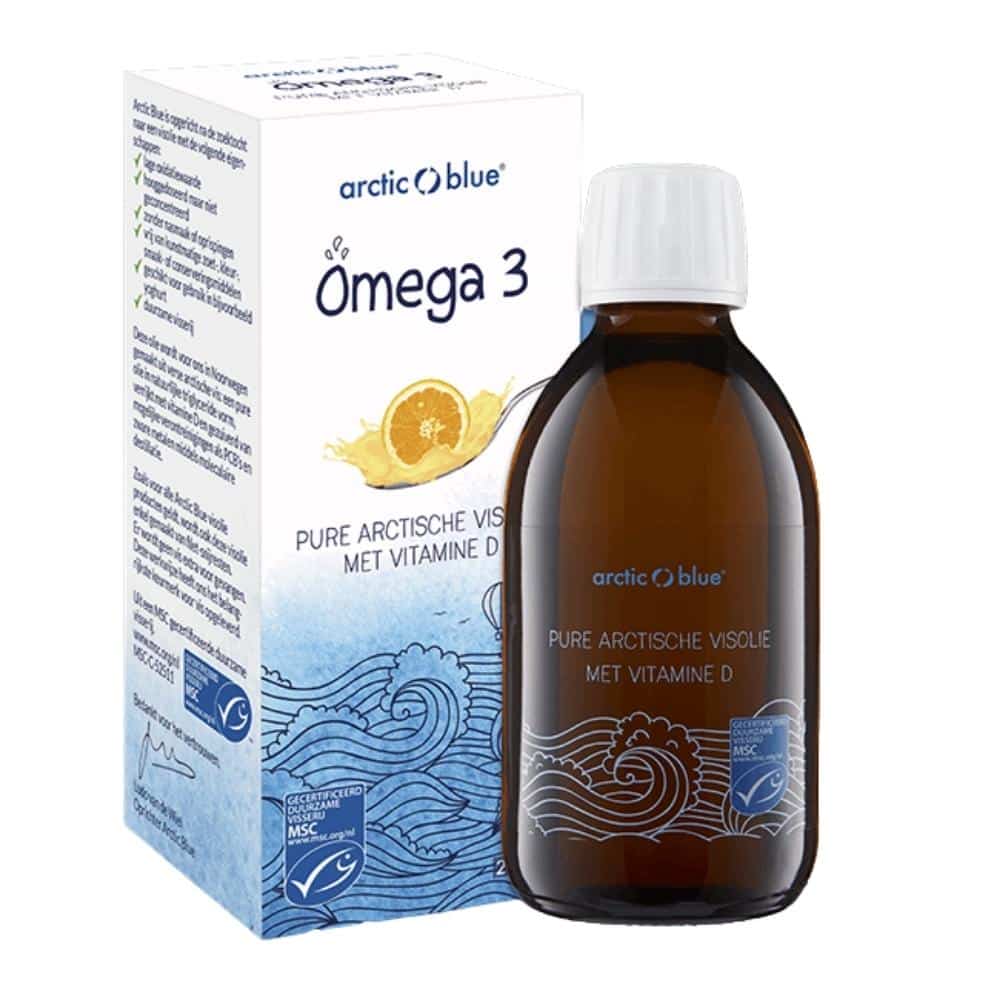
Arctic Blue fish oil with vitamin D
€27.90 Order now -
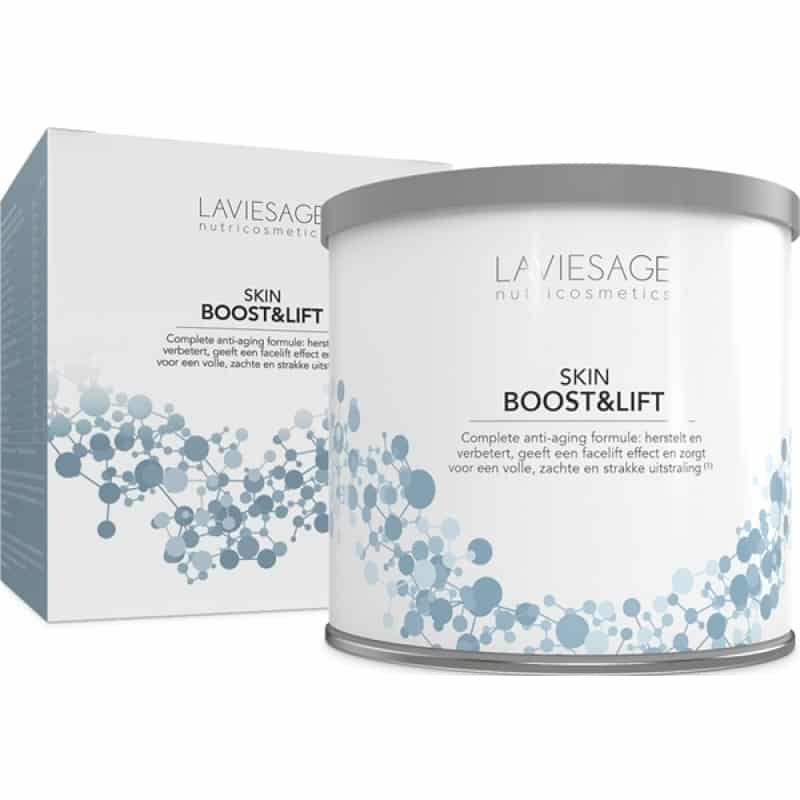
LavieSage Skin Boost and Lift
€90.00 – €164.95Price range: €90.00 through €164.95 Order now This product has multiple variants. The options may be chosen on the product page
1. Collagen
- Support of skin structure: Collagen is essential for skin firmness. As we age, natural collagen production decreases, which can lead to sagging skin. Collagen peptides from supplements stimulate collagen synthesis, especially in the dermis, where they strengthen the skin structure and make the skin firmer.
- Type I and III collagen: Type I collagen, which is mainly found in the skin, improves firmness and elasticity. Type III contributes to a more supple skin structure, which prevents the skin from sagging during weight loss or aging
.
2. Vitamin C
- Strengthening collagen formation: Vitamin C plays an essential role in stabilizing and supporting the production of new collagen, which directly contributes to skin firmness. By taking a vitamin C supplement, you support the collagen process and help prevent skin sagging, especially when exposed to UV radiation, which breaks down collagen.
- Protection against free radicals: Vitamin C acts as an antioxidant and protects the skin against oxidative stress. This helps maintain elastin and collagen, making the skin more resistant to sagging
.
3. Omega-3 fatty acids (EPA and DHA)
- Hydration and cell protection: Omega-3 fatty acids help the skin cells to maintain their moisture balance, which prevents the skin from drying out and therefore becoming sagging. Hydration is crucial for maintaining plump and firm skin.
- Anti-inflammatory effect: Omega-3 reduces inflammation, which is essential to protect the skin structure. EPA and DHA
4. Hyaluronic acid
- Fluid retention: Hyaluronic acid can retain large amounts of water in the skin cells, which contributes to a fuller, tighter skin surface. Hydrated skin looks less saggy and fuller, making fine lines and sagging less visible.
- Indirect collagen support: Although hyaluronic acid does not directly contribute to collagen, it supports an environment in which
5. Astaxanthin
- Powerful antioxidant: Astaxanthin is one of the most powerful antioxidants and protects the skin against oxidative damage caused by UV radiation and other environmental factors. This protection helps maintain elastin and collagen in the skin, which is essential for preventing sagging.
- UV protection and skin elasticity: Research shows that astaxanthin can reduce UV-induced damage and inflammation, which slows the breakdown of collagen and elastin. This allows the skin to remain firmer, even with aging and sun exposure
Nutritional tips against sagging skin!
| Foodstuff | Why it helps |
|---|---|
| Protein-rich food | Supports collagen and elastin production |
| Green leafy vegetables | Rich in antioxidants for skin protection |
| Berries | Contains antioxidants that prevent skin aging |
| Water | Keeps the skin hydrated and elastic |
| Fatty fish | Omega-3 fatty acids for cell renewal |
| Nuts and seeds | Provides vitamins and fatty acids for firmness |
Exercise: Exercising helps tighten the skin
Regular exercise can play an important role in tightening the skin after weight loss. Exercises not only help burn excess fat, but can also firm and tone the skin.
Strength training in particular, such as weight lifting or resistance exercises, can strengthen the muscles under the skin and thus contribute to a firmer appearance. In addition, cardio exercises, such as running or cycling, can improve blood circulation, making the skin better nourished and more elastic.
Try to incorporate a mix of strength and cardio exercises into your routine, targeting problem areas such as arms, abdomen and legs. By regularly straining your body, you stimulate the skin to become tighter and firmer. Be patient and consistent as it may take some time before you see results.

Massage: How massage can contribute to tight skin
Massage is another effective technique for tightening and firming the skin after weight loss. By gently massaging the skin, you stimulate blood circulation and lymphatic drainage, making the skin better nourished and more elastic.
There are various massage techniques that you can use, of which the LPG massage is the best you can undergo. This massage helps you firm the skin, remove excess moisture and improve the overall skin texture. Try to perform a massage regularly (for example, 1-2 times a week), especially on problem areas.
Frequently asked questions about sagging skin after losing weight
Yes, in some cases the skin can recover over time. This depends on your age, the degree of weight loss and how quickly you lost weight.
Recovery can take several months to years, depending on personal factors such as age, skin care and health.
Yes, strength training builds muscle mass and provides support to the skin, which helps to firm the skin.
Yes, a healthy lifestyle with proper nutrition, hydration and regular skin care can help firm the skin.
Collagen supplements can contribute to skin elasticity, but results may vary from person to person.
Treatments such as LPG treatments can make the skin firmer. It is important to seek advice from a specialist.