

Omega 3 deficiency cause
The main cause of an omega 3 deficiency is insufficient intake through the right diet. An omega 3 deficiency is caused by not eating oily fish (often enough). For vegetarians, vegans or people who do not eat enough oily fish, it may therefore be advisable to be extra alert to an omega 3 deficiency and to consume extra omega 3 through: fish oil or algae oil
In addition to a reduced absorption of omega 3 from food, an omega 3 deficiency can also occur caused by an excessive intake of omega 6 fatty acids. Omega 6 is present in high concentrations in sunflower oil, corn oil mayonnaise, sunflower seeds and peanut butter. Our Western diet usually contains much more omega 6 than omega 3 because sunflower oil is often added to ready-made products. Most Dutch people therefore consume much more omega-6 fats than omega-3 fats, on average up to 10 times as much. A disruption of the balance between these two groups of fatty acids can reduce the absorption of omega 3.
What are the symptoms of an omega 3 deficiency?
An omega 3 deficiency can affect the functioning of your brain and body. These are the possible symptoms of an omega 3 deficiency:
Physical symptoms:
- Less clear vision
- Low energy
- Acne or dry skin
- Thirst and frequent urination
- Inflammation related complaints
- Weaker muscles
Mental symptoms:
- Concentration problems
- Forgetfulness
- Mood swings
- Reduced learning performance
- Greater risk of ADHD in childhood
The symptoms can vary greatly from person to person and do not always mean that it is an omega 3 deficiency
What is Omega 3
Omega-3s are a family of essential fatty acids that play an important role in your body and provide a number of health benefits or can cause health problems if you get too little omega-3. Omega 3 are essential fats, which means that you need them to live a healthy life for as long as possible.
Since your body cannot produce omega 3 itself, you must get them from your diet or omega 3 supplements. The three main omega 3 types are ALA (alpha-linoleic acid), DHA (docosahexaenoic acid), and EPA (eicosapentaenoic acid). ALA is mainly found in plants, while DHA and EPA are mainly found in animal foods and algae. Common foods rich in omega-3 fatty acids include fatty fish, fish oil, flax seeds, chia seeds, flaxseed oil and walnuts.
For people who do not consume much omega-3 food, we recommend an omega-3 supplement, such as fish oil or algae oil.

Omega-3 improves general health
Research shows that omega-3 fatty acids improve health. Benefits of including omega-3 fatty acids in your diet include:
- Reduced risk of cardiovascular disease
- Overall heart health
- Reduced risk of sudden death due to abnormal heart rhythm
- Reduced risk of blood clots because omega-3 fatty acids help prevent platelets from clumping together.
- Keeping the artery walls smooth and clear, which can lead to thick clogged arteries. This helps prevent the formation of arteriosclerosis in the arteries. Omega-3 fats ensure that blood flow continues smoothly, so that the heart can pump blood effortlessly.
- Reducing triglyceride levels by inhibiting their formation in the liver. A high triglyceride level in the blood increases the risk of cardiovascular disease.
- Less inflammation. Atherosclerosis (hardening of the arteries) is said to be related to the body's inflammatory response. Omega-3 fatty acids slow down the production of substances released during the inflammatory response.
- Increase levels of high-density lipoprotein (HDL/"good" cholesterol).
- Lower blood pressure. People who eat fish or take Omega 3 supplements generally have lower blood pressure than people who do not.
Can you take too much omega 3?
Most people's diets contain proportionately much more omega 6 than omega 3. The chance that you consume too many fish fatty acids is therefore very small. Yet this is certainly possible, for example if you take more than the daily recommended amount of fish oil supplements or eat (oily) fish every day.
Large amounts of omega 3 can undesirably raise your LDL cholesterol. The normally very positive effect on the blood vessels can then become negative. It is therefore advisable not to eat or supplement extreme amounts of fish fatty acids.
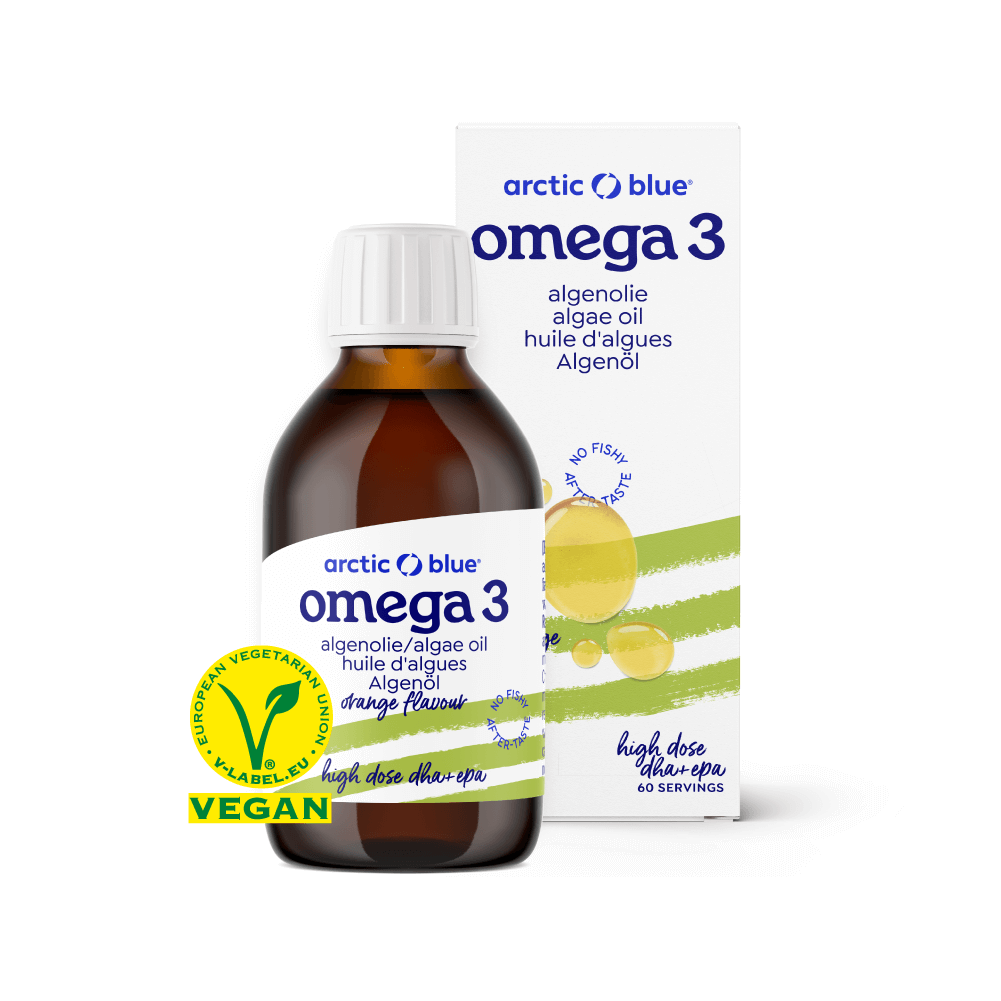
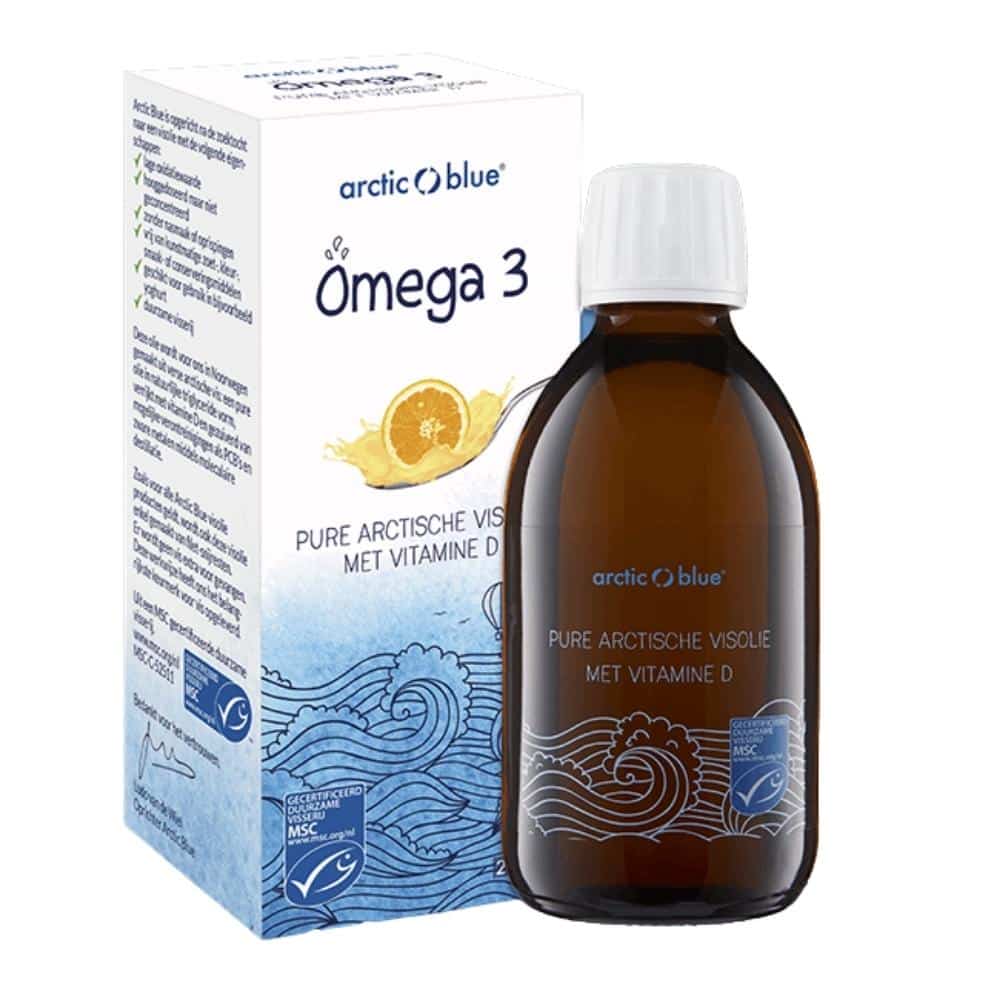
Omegaflow omega 3 fish oil and algae oil
Omegaflow is a Dutch brand of nutritional supplements that, due to their expertise, is only sold by (skin) therapists, practices or salons. Omegaflow further distinguishes itself by strict certifications of the fish oil and fish collagen by MSC (Marine Stewardship Council) and by the strict vegan certification of the plant-based products. Due to direct import from Norway, these products have above-average quality, freshness and filtered oil, so that only healthy nutrients are consumed without harmful metals or mercury.
Eat fresh oily fish, but not too much because of mercury
There aren't many foods that offer more health benefits than fish. From lowering the risk of cardiovascular disease to supporting brain health. Eating fish is one of the best things you can do for your overall health.
But while enjoying a baked salmon fillet or a tasty herring is a tasty way to live a healthy life. The only disadvantage of eating fish is the consumption of mercury. DThanks to pollution, the fish on your plate can contain the same unpalatable and potentially toxic substances we find in the ocean – think mercury, polychlorinated biphenyls (PCBs), and dioxins.
Therefore, combine eating fish with nutritional supplements with omega 3 such as fish oil or algae oil. Our fish and algae oil is guaranteed free of toxic substances and has the same omega 3 fatty acids without the adverse effects of toxic substances
Which fish contains the most omega 3
- Herring
- Salmon
- Mackerel
- Sardines
- Anchovy
- Halibut
- Rainbow trout
- Tuna
Farmed salmon contains less omega 3
Farmed salmon does contain more fat than wild salmon, but much of that fat comes from omega-6 fatty acids. For this reason, the ratio of omega-3 to omega-6 in farmed salmon is higher than in wild.
The farmed salmon are fed a diet consisting of 70% terrestrial feed, mainly dry pellets of soybean meal, corn meal, rapeseed meal and poultry by-products. Wild salmon, on the other hand, live in a labyrinth of waterways. Here the fish feeds on insects, invertebrates and plankton when young, and on small fish, squid, eels and shrimp when mature: a diet rich in Omega-3. As a result, the amount of Omega-3 in wild salmon is much higher than in farmed salmon.
In contrast, farmed fish does not contain mercury, but high concentrations of antibiotics are often used. Because the use of antibiotics in aquaculture is not always controlled, unregulated and irresponsible use of antibiotics is a problem in the aquaculture sector. Antibiotic use is not only an environmental problem, but also a health problem for consumers. Long-term ingestion of trace amounts of antibiotics can lead to drug resistance, hypersensitivity to antibiotics and even disruption of the intestinal flora.
Conclusion prevent omega 3 deficiency
Now that you know what omega 3 is and what omega 3 is good for, we advise you to eat as varied as possible to prevent an omega 3 deficiency. Eat fresh fish once a week supplemented with fish oil from freshly caught fish or use algae oil as a supplement every day if you are vegan or vegetarian.