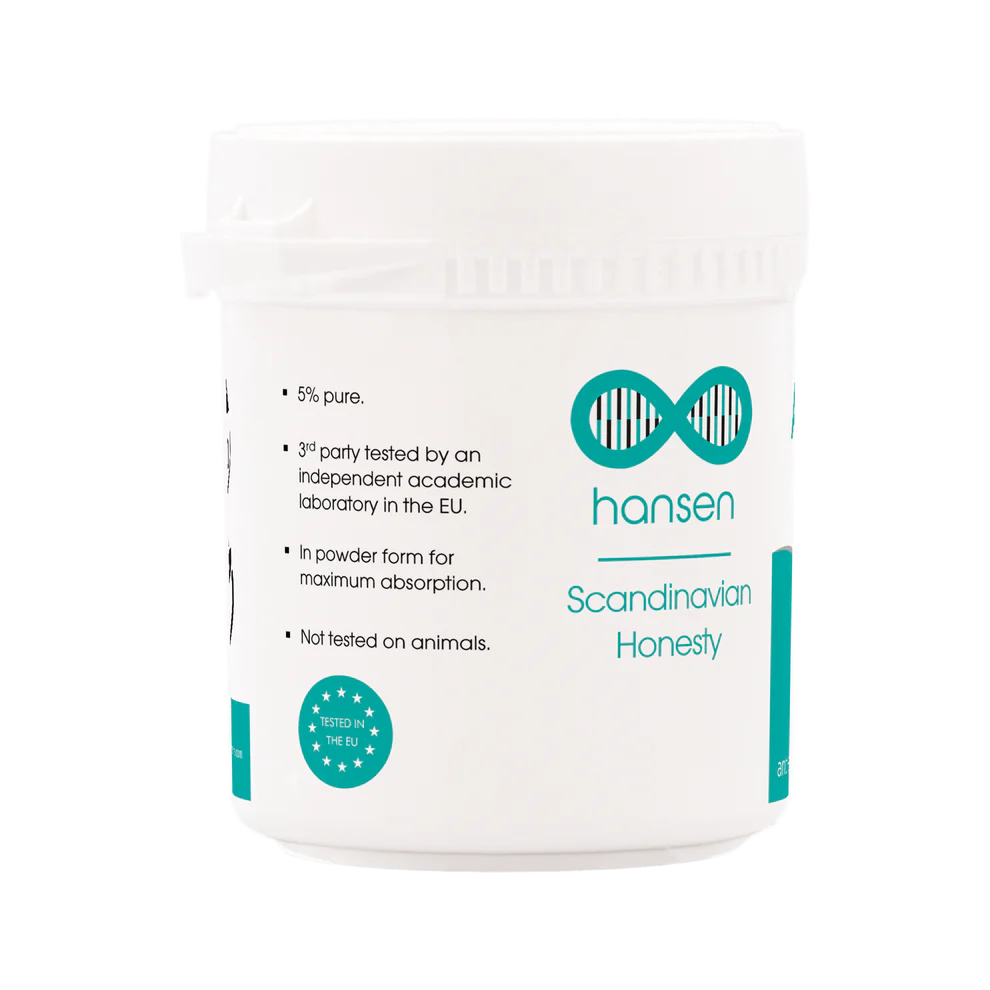
Description
Astaxanthin supplements and their skin benefits
Astaxanthin has a broad spectrum of functions in the body. It helps protect cells from oxidative damage, strengthens the immune system and can also improve brain function and sports performance. For the skin, astaxanthin is especially important because of its ability to protect the skin from UV damage and prevent skin aging.
Benefits for the skin
- The antioxidant properties of Astaxanthin help protect the skin from free radical damage.
- Astaxanthin can protect the skin from UV damage and help prevent premature aging.
- Using astaxanthin can contribute to healthy, radiant skin and reduce skin irritation.
- In addition to its skin benefits, astaxanthin also has other health benefits, including supporting eye health and reducing inflammation.
How Astaxanthin protects the skin against UV damage
UV rays from the sun are one of the leading causes of skin damage and premature aging. UV light can cause DNA damage, lead to inflammation and stimulate the production of free radicals, all of which can contribute to skin problems. Astaxanthin is a powerful protector against UV damage.
It can protect the skin in several ways.
- Firstly, astaxanthin itself absorbs UV radiation, directly protecting the skin.
- In addition, it stimulates the production of natural antioxidants in the skin, making the skin more resistant to oxidative stress.
- Additionally, astaxanthin improves the function of the skin barrier and increases the production of collagen and elastin, two important proteins for healthy, youthful skin.
Astaxanthin for healthy, radiant skin
In addition to protecting against UV damage, astaxanthin also has a positive effect on the overall health and appearance of the skin. It plays an important role in promoting healthy, glowing skin.
- This Astaxanthin supplement improves skin hydration and elasticity. It stimulates the production of hyaluronic acid, a substance that gives the skin moisture and volume. In addition, astaxanthin improves the function of the skin barrier, allowing moisture to be better retained in the skin. This results in softer, more supple and more youthful looking skin.
- In addition, astaxanthin gives the skin a beautiful, natural glow. This is because it improves blood circulation in the skin and regulates the production of melanin, the pigment responsible for skin color. With astaxanthin supplements you can enjoy a radiant, healthy appearance.
Astaxanthin and the reduction of skin irritation
In addition to protecting against UV damage and aging, astaxanthin can also help reduce skin irritation and inflammation. Many skin conditions, such as eczema, rosacea and psoriasis, are characterized by inflammation and irritation. Astaxanthin has powerful anti-inflammatory properties that can alleviate these skin problems. It inhibits the production of inflammatory mediators and thus reduces the redness, swelling and itching that often accompany skin conditions.
In addition, astaxanthin improves the barrier function of the skin, making it less possible for irritants to penetrate. This contributes to healthier, less sensitive skin. Several studies have shown that astaxanthin can reduce symptoms of eczema, rosacea and other inflammation-related skin conditions.
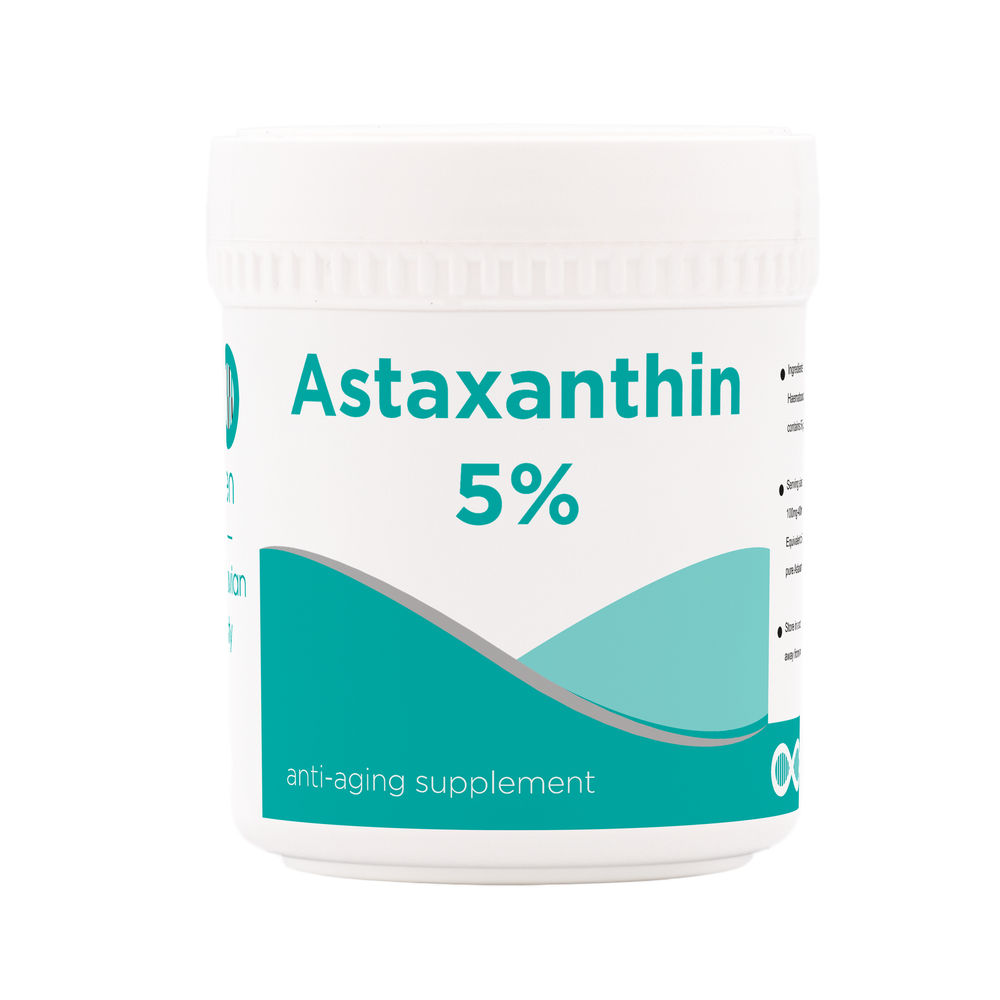
Use Hansen's Astaxanthin supplement
- Natural Astaxanthin supplement made from extract of the algae haematococcus pluvialis.
- Contains at least 5% pure astaxanthin.
- Recommended daily dose up to 1.2 g. Do not exceed the recommended daily dose.
- Store in a cool and dark place, out of the reach of children.
- Free measuring spoon included. The spoon contains 0.4 g of Astaxanthin and is dishwasher safe.
- Studies show that the action of astaxanthin shows excellent effects when dissolved in linseed oil. The combination of these two ingredients increases the antioxidant capacity of blood plasma and lowers triglycerides and cholesterol.
- Astaxanthin is considered safe. Studies have shown no significant side effects when using the product, even at doses higher than the recommended dose. The excess of the substance does not accumulate in the body and is removed relatively quickly – its half-life is about 52 hours.
Do not use astaxanthin supplement in the following cases:
- By people allergic to seafood.
- Pregnant and lactating women,
- Patients with blood clotting disorders, autoimmune diseases and hypertension should consult a doctor before using the product.
- Food supplements should not be used as a substitute for a varied diet and healthy lifestyle
Astaxanthin supplements and scientific research
Scientific research into the use of an astaxanthin supplement and its health benefits has increased significantly over the past 10 years. Studies have examined its effectiveness in treating various conditions. Unfortunately, due to strict European legislation, we are not allowed to share or refer to these studies here. You can find more about this on Pubmed or sites such as OrthoKennis.
Origin and discovery of Astaxanthin
The discovery of carotenoids, including astaxanthin, dates back to the early 19th century. Carotenoids are colorants found in many plants and animals and play an important role in their biology. Astaxanthin was first isolated from lobster shells in the 1930s by German chemist Richard Kuhn, who later received the Nobel Prize in Chemistry for his work on carotenoids and vitamins.
In the 1980s, astaxanthin became important in aquaculture, especially in salmon farming. Because wild salmon get astaxanthin from their natural food sources, farmed salmon also needed to have astaxanthin added to their diet to get the characteristic pink color. In the late 20th century and early 21st century, astaxanthin became popular as a supplement for its health benefits.