
Citicoline CDP-CHOLINE

€62.00
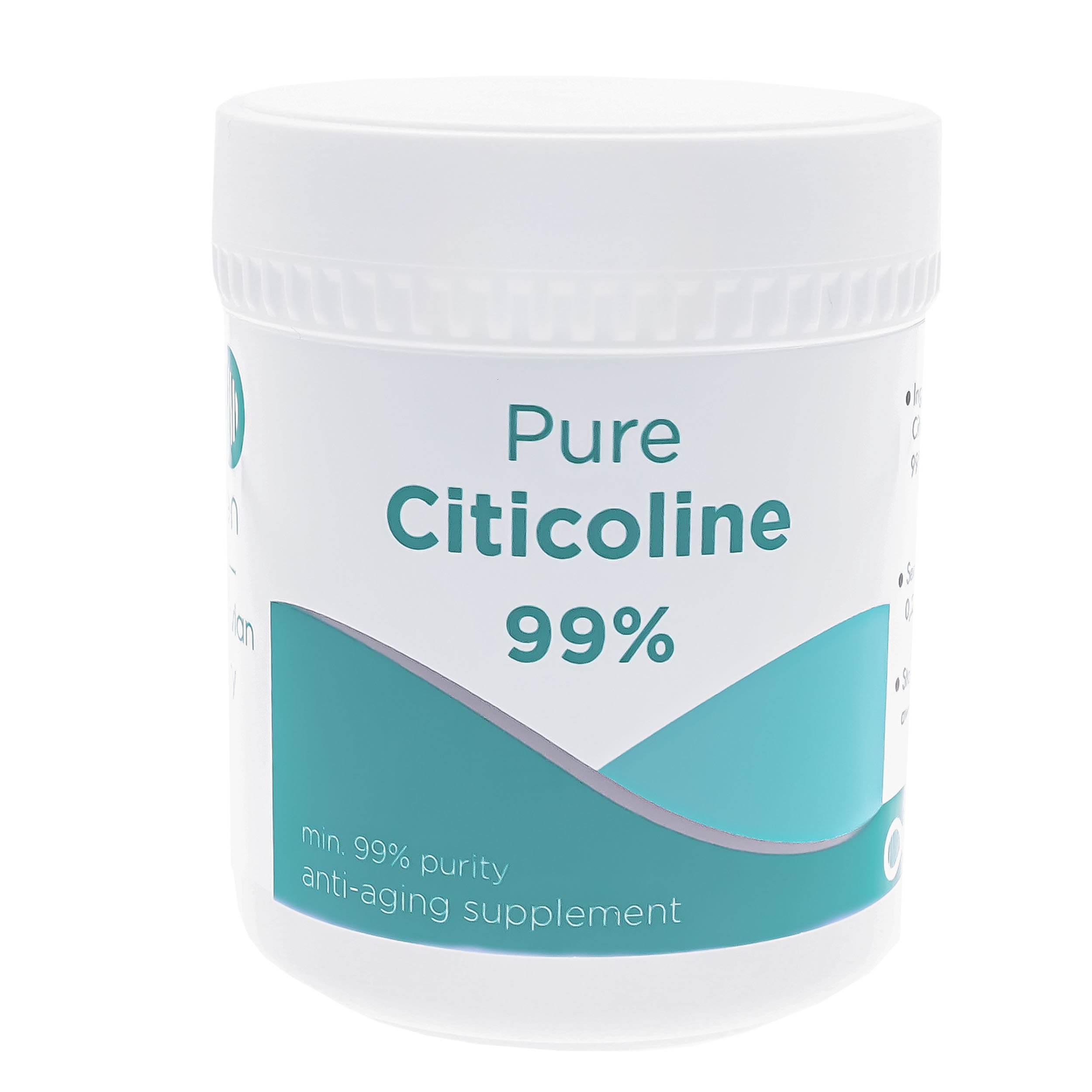
Citicoline CDP Choline for the liver and brain
Citicoline also called CDP Choline is a naturally occurring substance that is present in every cell, including the brain and liver.
As one ages, the amount or citicoline in the brain decreases. Moreover, citicoline is only present to a limited extent in foods where this supplement can supplement any deficiencies.
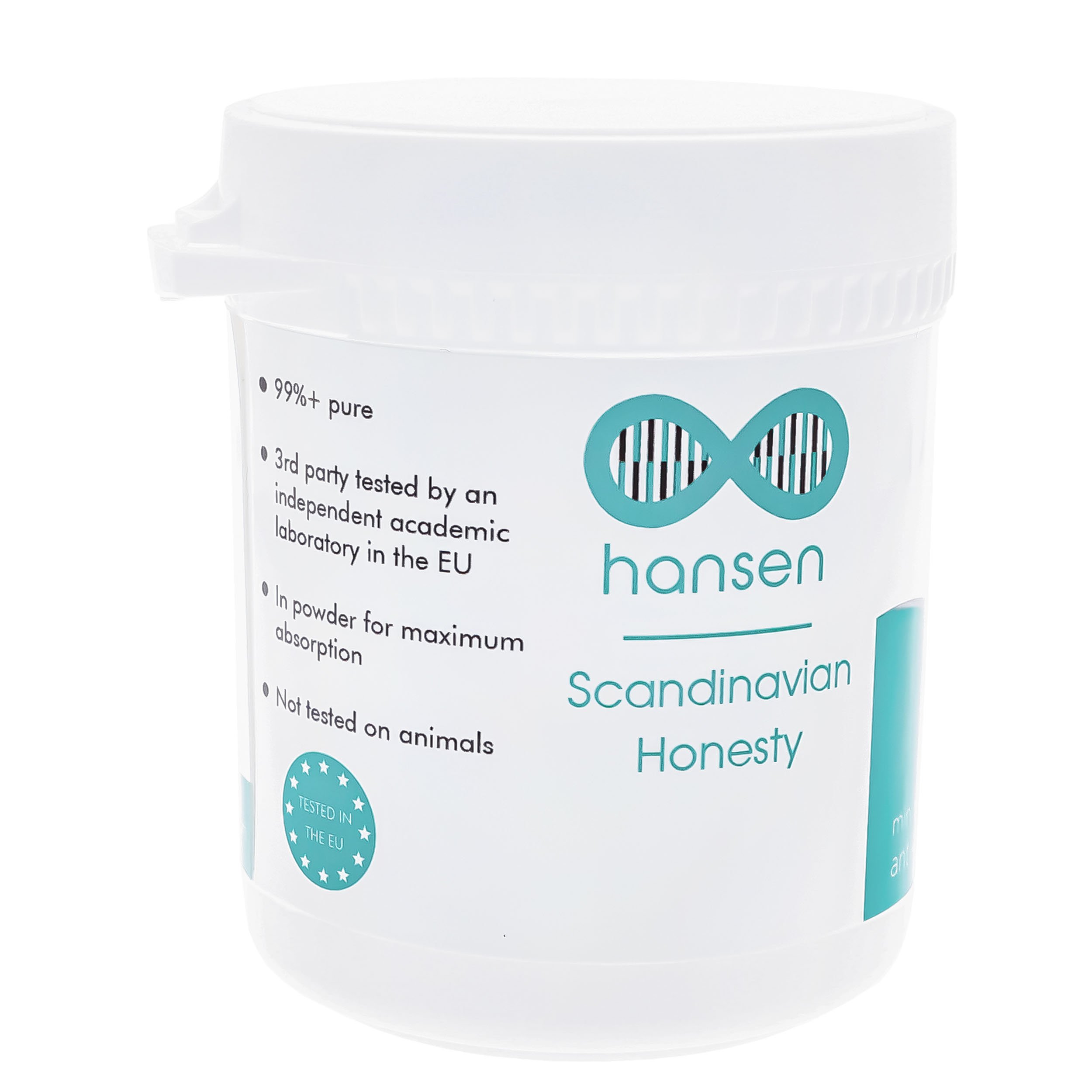
You can buy Citocoline here in the purest form or guaranteed quality. Independently tested in a European laboratory at a university in the European Union with +99% purity and free or toxins or other additives.
Supplement contents: 1 jar or 50 grams or pure citicoline powder with the highest purity incl. measuring spoon
What exactly is citicoline?
It is a form or choline, which in turn is an ammonium salt that has been known and produced for almost 160 years and plays an essential role in the body and our cells. Citicoline, also known as CDP-choline (cytidine diphosphate choline), is an organic molecule that occurs in all living cells and plays an important role in fat metabolism. It helps produce substances essential for cell wall formation, such as phosphatidylcholine, phosphatidylserine and phosphatidylethanolamine. Since cell walls have a high turnover rate, these fats must be constantly produced to ensure proper cell function. In short, citicoline is a valuable substance for the body because or the many crucial functions it performs.
What is the difference between Citicoline and Choline?
Citicoline (CDP-choline) and choline are both nutritional supplements that you can take for the brain and liver, but they are not the same. Citicoline supplements release two main components into your body: cytidine and choline. Once absorbed, they cross the blood-brain barrier into your central nervous system and have a higher bioabsorption than choline-only supplements.
CDP-Choline benefits
- Maintenance or normal liver function
- Contribute to normal fat metabolism
- Promotion or normal homocysteine metabolism
- Maintenance or healthy neurological development during pregnancy and infancy
Citicoline and science
The European Union does not allow us to make any health claims other than those that have been approved. We are also not allowed to link to other scientific articles. This is due to the strict legislation on nutritional supplements. We would like to refer you to sites such as healthline.com where you can find more about the possible health benefits and applications
How to use Citicoline
- use 0.2 grams to 2 grams per day
- Store cool and dark
- Nutritional supplements are not a substitute for a healthy diet
- Includes measuring spoon
- Before taking citicoline supplements, it is important to talk to a healthcare provider first. They can recommend a safe dosage and duration based on your overall health and any medications you are currently taking.
- Using supplements is not a substitute for a healthy lifestyle
In which foods can you find citicoline?
The body produces choline naturally, but it can also be obtained through food, such as animal livers and brains, and is high in choline. These foods are hardly consumed in Western society anymore. Choline is also abundantly present in breast milk and has beneficial effects on the liver, supports fat metabolism and contributes to normal homocysteine metabolism
Some protein-rich foods such as lean meat, poultry, fish and dairy products contain significant amounts or choline. For example, beef liver and chicken breast are excellent sources. Eggs: One large egg contains approximately 147 mg or choline – making eggs one or the best sources or nutrition. By regularly including them in your meals, you can contribute significantly to the daily requirement. Fruits and vegetables: Although not as rich as animal products, fruits and vegetables such as broccoli, cauliflower and spinach also provide choline in varying amounts. Whole grains such as quinoa, brown rice and whole wheat bread can contribute to your daily choline intake.
Amount or Choline per food
| Foodstuff | Milligrams per serving | Percentage RDA |
|---|---|---|
| Liver (beef), pan fried, 100 grams | 420mg | 77% |
| Egg, hard-boiled, 1 large | 147 mg | 27% |
| Beef, steak, just the meat, roast, 100 grams | 138 mg | 25% |
| Soy beans, roasted, 120 milliliters | 107 mg | 19% |
| Chicken fillet, roasted, 100 grams | 85 mg | 15% |
| Beef, minced, 93% lean meat, grilled, 100 grams | 85 mg | 15% |
| Fish, cod, Atlantic, cooked, dry heat, 100 grams | 83 mg | 15% |
| Potatoes, red, fried, with skin, 1 large potato | 57 mg | 10% |
| Wheat germ, roasted, 28 grams | 51 mg | 9% |
| Beans, kidney, from a can, 120 milliliters | 45 mg | 8% |
| Quinoa, cooked, 240 milliliters | 43 mg | 8% |
| Milk, 1% fat, 240 milliliters | 43 mg | 8% |
| Yogurt, vanilla, lean, 240 milliliters | 38 mg | 7% |
| Brussels sprouts, cooked, 120 milliliters | 32 mg | 6% |
| Broccoli, chopped, boiled, drained, 120 milliliters | 31 mg | 6% |
| Mushrooms, shiitake, cooked, 120 milliliters | 27 mg | 5% |
| Cottage cheese, lean, 240 milliliters | 26 mg | 5% |
| Fish, tuna, white, canned in water, drained, 100 grams | 29 mg | 5% |
Source: National Institutes or Health
Free gift
Order supplements and supplements for €150 Receive for free Vitamin D3, Creatine or L-Theanine Choose your free gift at the checkout 🎁
Shop supplements →