

Organ fat is an important but often overlooked aspect of our health. It is a type of fat that is found around our internal organs. Although this fat is not visible, an accumulation of organ fat can lead to several health problems. When we think about fat, we often think about the visible fat we see around our abdomen, hips, thighs, and other parts of our body. Visible fat can now easily be removed with cryolipolysis, but organ fat lies deeper, which means it cannot be treated with cryolipolysis. Organ fat is often less visible, but very important for our health. In this article based on many scientific studies, we take a closer look at organ fat and the role it plays in our overall health.
What is organ fat?
Organ fat, also called visceral fat, is the fatty tissue that accumulates around our internal organs, such as the liver, pancreas and intestines. Unlike the subcutaneous fat that sits just beneath the skin, organ fat cannot be seen or touched. It can only be properly measured using medical equipment, such as a CT scan or an MRI scan. There are also scales on the market that claim to be able to measure organ fat, but this is only an indication. There are other ways to determine whether you are at risk for organ fat, which we explain at the bottom of this article.
Why is organ fat dangerous?
Organ fat is associated with several health problems, including type 2 diabetes, cardiovascular disease and fatty liver disease.
Type 2 diabetes: Research has shown that an accumulation of organ fat in the abdominal area can lead to insulin resistance, a condition in which the cells in our body do not respond properly to insulin. Insulin is a hormone needed to get glucose from the blood into the cells of our body for energy. If the cells do not respond properly to insulin, too much glucose remains in the blood, which can lead to type 2 diabetes.
Cardiovascular diseases: Organ fat can also lead to cardiovascular disease, such as heart attack or stroke. An accumulation of organ fat can lead to increased blood pressure, increased cholesterol levels and inflammation in the body, all factors that can contribute to cardiovascular disease.
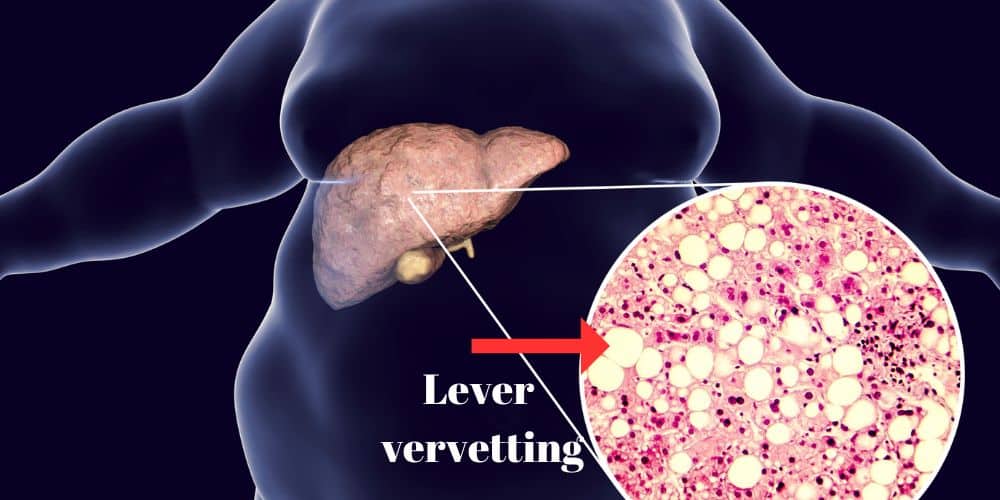
Fatty liver: Organ fat can also lead to fatty liver disease, a condition in which too much fat is stored in the liver. This can lead to inflammation and scarring in the liver, which can ultimately lead to liver failure. In addition to a healthy lifestyle, there are also: supplements to support a healthy liver.
How is organ fat formed?
The accumulation of organ fat is often associated with overweight and obesity. People who are overweight often have more organ fat than people with a healthy weight. This is because fatty tissue tends to accumulate around internal organs when there is too much fat in the body.
However, there are also other factors that contribute to the accumulation of organ fat, such as a sedentary lifestyle, poor diet and genetic predisposition. People who exercise little and have a diet rich in processed foods and added sugars are more likely to accumulate organ fat.
Causes of organ fat
- Bad habits such as smoking and eating processed foods
- Insufficient exercise
- Irregular or insufficient sleep
- Older age
- Excessive alcohol consumption
- Wrong and unhealthy food
10 tips for less organ fat!
Fortunately, it is possible to reduce organ fat. Here are some ways this can be done:
1. Losing weight can reduce organ fat
When someone is overweight, fat can build up in and around the organs, which can lead to health problems such as diabetes, cardiovascular disease and liver disease. Losing weight can reduce body fat, including the fat around the organs, which can reduce the risk of these conditions. However, it is important to lose weight in a healthy way through a balanced diet and sufficient exercise. Intermittent fasting can help with this, for example, eating within a period of 8 hours and not eating for 16 hours.
2. Eat fewer carbohydrates
The number of carbohydrates you need to reduce to lose weight varies per person, depending on how quickly you want to lose weight and what you can maintain. A 2003 study showed that obese women who followed a low-carb diet lost more than twice as much weight compared to women who followed a low-fat diet. After six months, the low-carb group lost an average of 8.5 kilos, while the low-fat group lost an average of 3.9 kilos. In addition, improvements were seen in good HDL cholesterol and triglyceride levels.
A diet rich in unprocessed foods and little added sugar. This can help reduce organ fat. Reducing your intake of processed carbohydrates is one of the fastest ways to lose visceral fat, which is also known as a low-carb diet. A low-carb diet involves reducing carbohydrate intake and replacing them with healthy fats and proteins. This means that one mainly refined carbohydrates such as fast sugars should be avoided, as well as bread, pasta, potatoes and rice. Good carbohydrate sources such as vegetables, fruit, nuts, brown rice, oatmeal and buckwheat can be eaten in moderation.
3. Omega-3 oil to reduce organ fat
It's important to get enough omega 3 fats. You can do this by eating more healthy fats, such as oily fish, fish oil or algae oil. Omega 3 fatty acids reduce insulin resistance and increase insulin sensitivity, which is important for regulating blood sugar levels. International health organizations recommend taking between 250 and 500 mg of EPA and DHA per day. Studies show that fish oil supplements can help reduce visceral fat. To get enough omega-3 fatty acids, you can choose to eat oily fish twice a week or use a supplement such as fish oil or algae oil.
4. Burn organ fat with exercise
Regular exercise can burn organ fat. It is recommended to do at least 150 minutes of moderate-intensity exercise such as walking or cycling per week. Exercise more, especially if you do a lot of sedentary work. Take regular breaks to go for a walk. Get a dog, which forces you to walk every day.
There are studies that suggest that dog owners generally have better health than people without dogs. A large number of studies have shown that dog owners get more exercise than people without dogs because they have to walk and play with their dogs. This can contribute to better physical health, including a healthier heart and better blood pressure. Furthermore, studies have also shown that dog owners often suffer less from depression and stress than people without dogs.
5. Strength training against organ fat
If you are looking for an effective sport to lose visceral fat, strength training is a good choice. Research has shown that strength training can play an important role in burning visceral fat, and that's good news for people concerned about their health. You don't have to You don't necessarily have to go to the gym to do strength training. You can start lifting weights at home or in the park, for example. The most important thing is that you do something with weights, as this can help build muscle mass and burn fat.But if you feel that strength training is not for you at all, then doing group training may be a good option. With group training you still do a form of strength training, but the teamwork and social aspects of training together can make it a lot more fun to persevere. Additionally, you can also add other forms of exercise, such as cardio exercises or stretching, to improve your overall fitness.
6. Reduce stress
Long lasting stress can contribute to the accumulation of organ fat. Therefore, try to reduce stress by, for example, meditation, yoga or breathing exercises. Stress has a negative impact on almost all aspects of your life and is therefore a silent killer for your health. If you constantly have too high a level of the stress hormone cortisol in your body, this has adverse consequences for, among other things, your testosterone level, sleep, mental well-being, fat percentage and appetite.Too much stress in your life can increase appetite and visceral fat storage, which increases your waist size.Fortunately, there are several ways to lower your cortisol levels, such as exercise and good sleep. But tackling the cause of your stress is of course the best thing. This may be different for everyone, so it's important to find what works for you. Meditation techniques and yoga, for example, can help you deal better with stress and increase your mental resilience. You will learn various mental techniques to control stress and stay on top.
Continuously having too much of the stress hormone cortisol in your body is disastrous for:
- Testosterone level
- Sleep
- Mental well-being
- Fat percentage
- Appetite
- Organve

7. Eat more healthy fiber against organ fat:
A healthy diet contains several nutrients, including fiber, that are often overlooked. Fiber is a type of carbohydrate that is not digested by the body. Soluble fiber has the property of suppressing appetite and can aid in weight loss. An observational study of 1,100 participants found that increased fiber intake can contribute to a decrease in visceral fat. The participants who ate an additional 10 grams of soluble fiber daily showed a 3.7% decrease in their abdominal fat percentage over a 5-year study period. This highlights the importance of eating enough fiber as part of a healthy diet and to reduce the risk of health problems.
8. Avoid trans fats
Not all fats in our diet are equally healthy. Some fats, such as polyunsaturated fatty acids (such as omega-3 fatty acids), have positive effects on our health, while other fats, such as trans fats, can be harmful to our body. Trans fats are the unhealthiest fats we can eat and are artificially created by manufacturers to make food cheaper and easier to produce. Research has shown that the more trans fats we consume, the greater the risk of organ fat buildup.It is therefore wise to avoid trans fats from our diet as much as possible. We can do this by avoiding foods that are fried and limiting processed foods such as snacks, cookies and pastries. Avoiding trans fats can help make our bodies healthier and reduce our risk of disease.
9. Get enough sleep
Insufficient sleep can lead to the accumulation of organ fat. Therefore, make sure you get enough good quality sleep. A good night's sleep is not only important for good health, it can also help burn unhealthy visceral belly fat. Research has shown that improving sleep quality can lead to overall weight loss, especially in the abdominal region (source). Insufficient sleep, on the other hand, can lead to an increase in unhealthy organ fat. It is recommended to get 7-9 hours of sleep per night to function optimally.
10. Drink less alcohol
Our bodies do not have an efficient way to store alcohol. That is why the liver takes priority in breaking down alcohol over burning body fat. This means that when you drink alcohol, your body is unable to burn fat until all the alcohol is out of your system. Additionally, alcohol is a source of empty calories, meaning it is high in calories but provides few nutrients. For example, a glass of rosé contains about 110 calories and a bottle of beer contains about 135 calories. Therefore, drinking alcohol regularly can contribute to increased calorie intake, which can lead to weight gain, including abdominal and organ fat accumulation.If you enjoy an occasional alcoholic drink, try to limit your alcohol consumption to a maximum of 2 drinks per week. By drinking less alcohol, you can help reduce calorie intake and burn body fat, especially in the abdominal area. So reducing your alcohol consumption can be an important step in achieving your goals for a healthier body.
Organ fat storage differs in men and women
Organ fat storage works differently between men and women. Men tend to store fat around their abdomen, while women store it on the hips, buttocks and legs. As women age, muscle mass decreases and body fat increases, which can lead to more visceral fat even in the absence of weight gain. In men, age, inactivity and an unhealthy lifestyle can also lead to the development of visceral fat. Excessive alcohol consumption can lead to more fat storage around the abdominal area in men.
There are even more differences between men and women when it comes to the storage of organ fat:
- Men generally have more muscle mass than women, which means they generally burn more calories, even at rest, making the risk of developing visceral fat lower than women.
- In men, testosterone levels can affect the amount of visceral fat that is stored. Lower testosterone levels can lead to more fat storage.
- In women, pregnancy can lead to an increase in visceral fat, especially if too much weight is gained during pregnancy.
- In men, there is a higher risk of developing cardiovascular disease due to the storage of visceral fat, while in women, the storage of subcutaneous fat carries a higher risk of these diseases.
How can you measure organ fat?
There are different ways to measure whether you have organ fat. A accurate method is by means of a CT scan or MRI scan, but these methods are usually only used for research or medical purposes. However, there are also faster ways to get an estimate of your organ fat percentage:
-
Measuring organ fat with Bioelectrical Impedance Analysis (BIA): This is a method in which a device sends a low electrical current through your body to measure resistance. Based on this resistance, the device can estimate your organ fat percentage. Smart scales often measure total body fat percentage, including visceral fat, in this way. Visceral fat is the fat that surrounds the organs in the abdominal cavity and is associated with health risks.
Although smart scales can provide a good estimate of total body fat percentage, they are not always accurate in measuring specific visceral fat. A study published in the Journal of Diabetes Science and Technology concluded that several types of smart scales that measure organ fat produced inconsistent and inaccurate results when compared to the most reliable method of MRI scans.
-
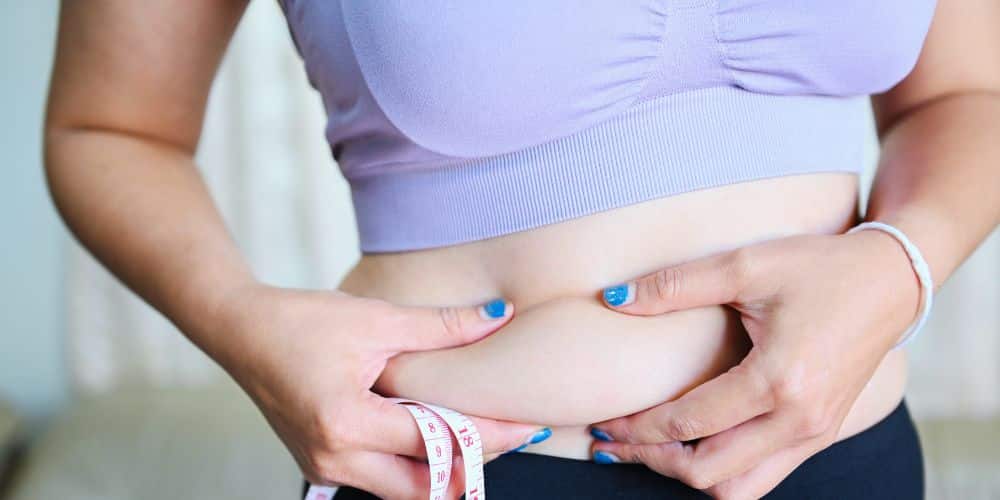
Skinfold measurement: This is a method in which a professional measures your skin folds using special pliers. Based on these measurements, an estimate can be made of your total body fat percentage and therefore whether you are at risk for organ fat.
-
Waist size: Measuring your waist circumference can give an indication of whether you have an increased risk of organ fat. A waist circumference of more than 88 cm in women and more than 102 cm in men is considered an increased risk.
Conclusion organ fat
Organ fat is an important but often overlooked aspect of our health. An accumulation of organ fat can lead to several health problems, including type 2 diabetes, cardiovascular disease and fatty liver disease. Fortunately, it is possible to reduce organ fat through weight loss, a healthy diet, exercise, stress reduction, drinking less alcohol and getting enough sleep. By taking these steps we can make our body healthier and reduce the risk of health problems due to excess organ fat.